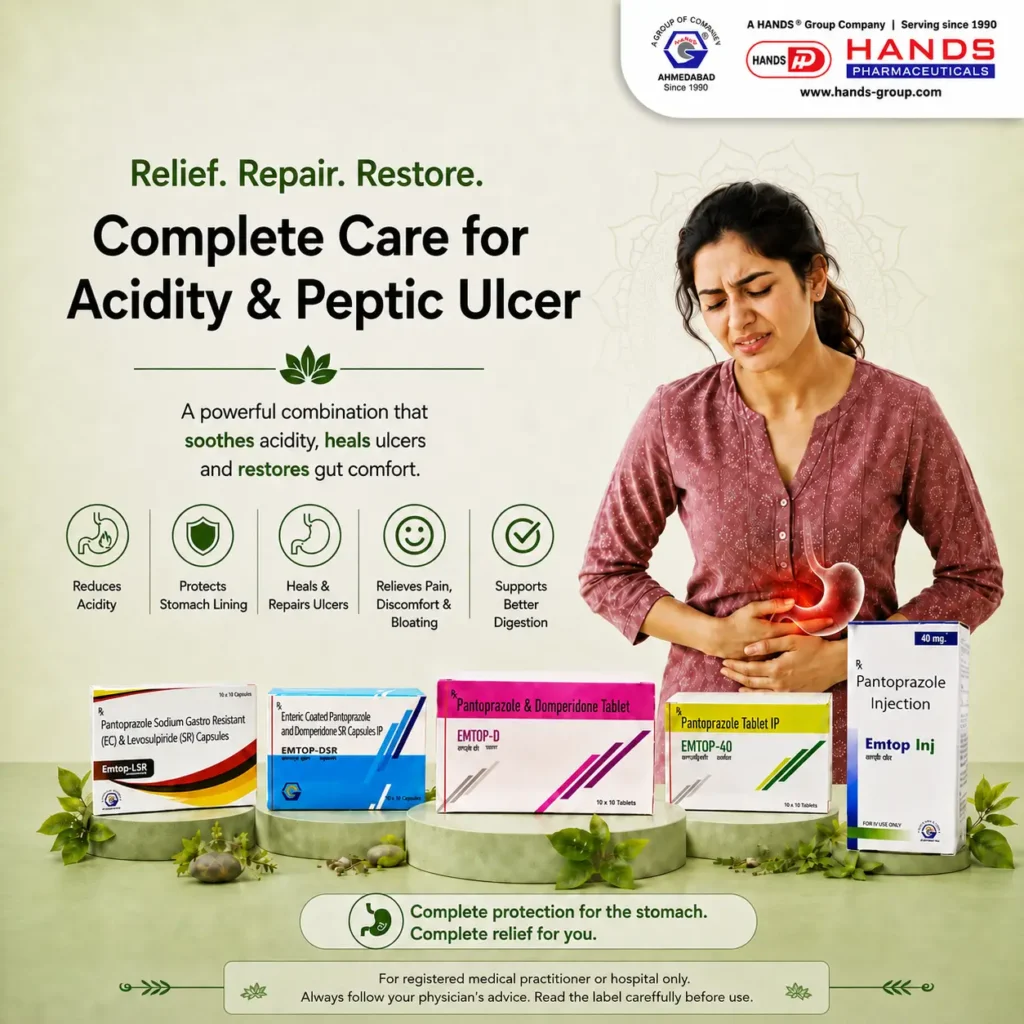
Complete Care for Acidity & Peptic Ulcer: Relief, Repair & Restore Your Digestive Health

Acidity and peptic ulcers are among the most common digestive health concerns affecting millions of people worldwide. Whether it’s the burning sensation after a meal, persistent stomach pain, bloating, or discomfort, these symptoms can significantly impact daily life. Fortunately, with the right treatment and lifestyle modifications, you can not only relieve the symptoms but also heal the underlying condition.

Understanding Acidity and Peptic Ulcers

Acidity occurs when excess stomach acid flows back into the esophagus, causing heartburn and irritation. On the other hand, a peptic ulcer is a sore that develops on the inner lining of the stomach or the upper part of the small intestine due to excessive acid production, Helicobacter pylori infection, or prolonged use of pain-relieving medications like NSAIDs.

Common symptoms include:

  • Burning sensation in the chest or stomach
  • Upper abdominal pain
  • Bloating and indigestion
  • Nausea
  • Loss of appetite
  • Feeling full quickly after eating

Ignoring these symptoms can lead to complications such as bleeding ulcers or severe digestive issues.


The Three-Step Approach: Relief. Repair. Restore.

1. Relief from Acidity

The first step is controlling excessive stomach acid that causes discomfort and heartburn. Acid-suppressing medications help reduce acid production, providing quick relief from symptoms while preventing further damage to the stomach lining.

2. Repair the Damaged Stomach Lining

Once acid production is controlled, the stomach lining gets the opportunity to heal. Protecting the stomach lining is crucial in treating peptic ulcers and reducing inflammation.

3. Restore Healthy Digestion

A healthy digestive system is essential for overall well-being. Supporting proper digestion helps reduce bloating, discomfort, and recurring acidity episodes while improving nutrient absorption.


Benefits of Comprehensive Gastrointestinal Care

An effective treatment plan may help:

  • Reduce excess stomach acid
  • Protect the stomach lining
  • Promote healing of gastric and duodenal ulcers
  • Relieve pain, bloating, and discomfort
  • Improve digestion and gut health
  • Reduce recurrence of acid-related disorders

Treatment Options

Healthcare professionals may recommend medications depending on the patient’s condition, including:

  • Proton Pump Inhibitors (PPIs) to reduce acid production.
  • Combination therapies with prokinetic agents to improve gastric emptying and reduce reflux symptoms.
  • Injectable PPIs for hospitalized patients or emergency situations where oral medication is not suitable.

Important: These medicines should always be taken only under the guidance of a qualified healthcare professional.


Lifestyle Changes That Support Recovery

Medication works best when combined with healthy lifestyle habits.

Eat Smart

  • Eat smaller, more frequent meals.
  • Avoid spicy, oily, and acidic foods.
  • Reduce caffeine and carbonated beverages.
  • Avoid overeating.

Maintain Healthy Habits

  • Stay hydrated.
  • Eat dinner at least 2–3 hours before bedtime.
  • Maintain a healthy body weight.
  • Avoid smoking and limit alcohol consumption.
  • Manage stress through exercise, yoga, or meditation.

Know When to Seek Medical Attention

Consult your doctor immediately if you experience:

  • Severe stomach pain
  • Vomiting blood
  • Black or tarry stools
  • Difficulty swallowing
  • Sudden unexplained weight loss

These symptoms may indicate a serious gastrointestinal condition requiring immediate medical care.


Why Early Treatment Matters

Many people ignore occasional acidity, assuming it is harmless. However, frequent acid reflux or untreated ulcers can lead to chronic inflammation, bleeding, narrowing of the digestive tract, and other complications. Early diagnosis and appropriate treatment can prevent long-term damage and improve quality of life.


Supporting Better Digestive Health

Managing acidity and peptic ulcers requires more than temporary symptom relief. A comprehensive approach that reduces stomach acid, protects the stomach lining, promotes ulcer healing, and supports healthy digestion offers the best path toward long-term digestive wellness.

By combining appropriate medical treatment with healthy lifestyle choices, patients can experience lasting relief and enjoy a healthier, more comfortable life.


Medical Disclaimer

This article is intended for educational purposes only and should not replace professional medical advice. Always consult a qualified healthcare professional before starting or changing any medication. Prescription medicines should be used only as directed by a registered medical practitioner.
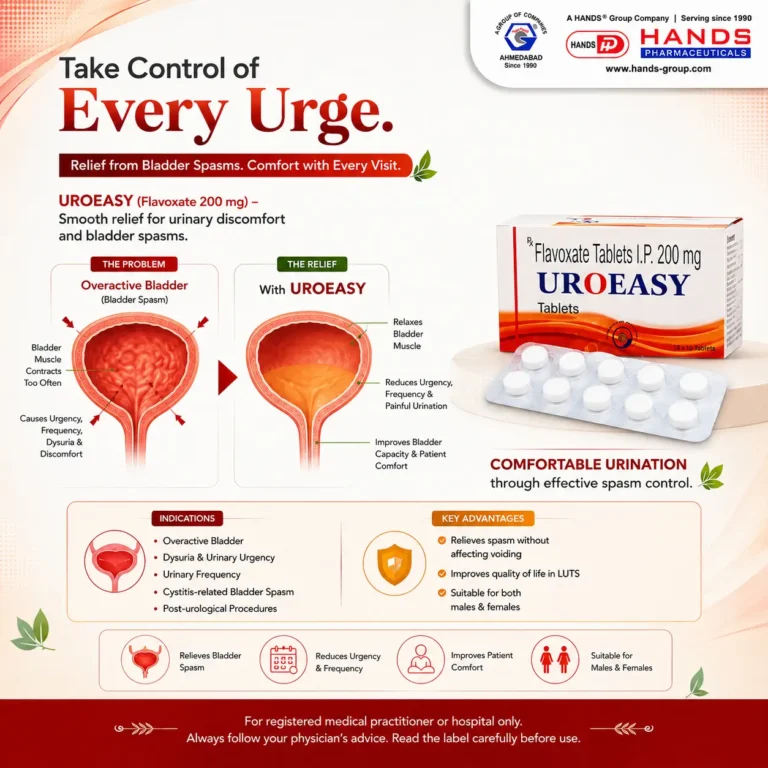

uro
UROEASY : Effective Relief from Bladder Spasms and Urinary Discomfort
UROEASY : Effective Relief from Bladder Spasms and Urinary Discomfort Urinary...
BACIFOL PLUS
Growing Children Need More Than Just Vitamins: Why Complete Nutrition Matters
Growing Children Need More Than Just Vitamins: Why Complete Nutrition Matters As...
Acidity & Ulcer
Complete Care for Acidity & Peptic Ulcer: Relief, Repair & Restore Your Digestive Health
Complete Care for Acidity & Peptic Ulcer: Relief, Repair & Restore Your Digestive Health Acidity...
WhatsApp Image 2026-06-20 at 4.21
International Yoga Day 2026: Embrace Wellness, Balance & Inner Peace
International Yoga Day 2026: Embrace Wellness, Balance & Inner Peace. “Yoga...
oceplex
Understanding Diabetic Neuropathy: When Burning Feet, Tingling, and Numbness Shouldn't Be Ignored
Understanding Diabetic Neuropathy: When Burning Feet, Tingling, and Numbness Shouldn’t Be Ignored Diabetes...
Killbact_final
Why Gut Health Matters: The Foundation of Overall Wellness
Why Gut Health Matters: The Foundation of Overall WellnessWhen we think...
ChatGPT Image Jun 13, 2026, 02_58_17 PM
HandJoint-Forte: Comprehensive Joint Support for Active and Healthy Living
HandJoint-Forte: Comprehensive Joint Support for Active and Healthy LivingAs...
688926003_1343307071182278_5389355676796091042_n
Dyslipidemia: The Silent Threat to Heart Health
Heart disease remains one of the leading health concerns worldwide,